
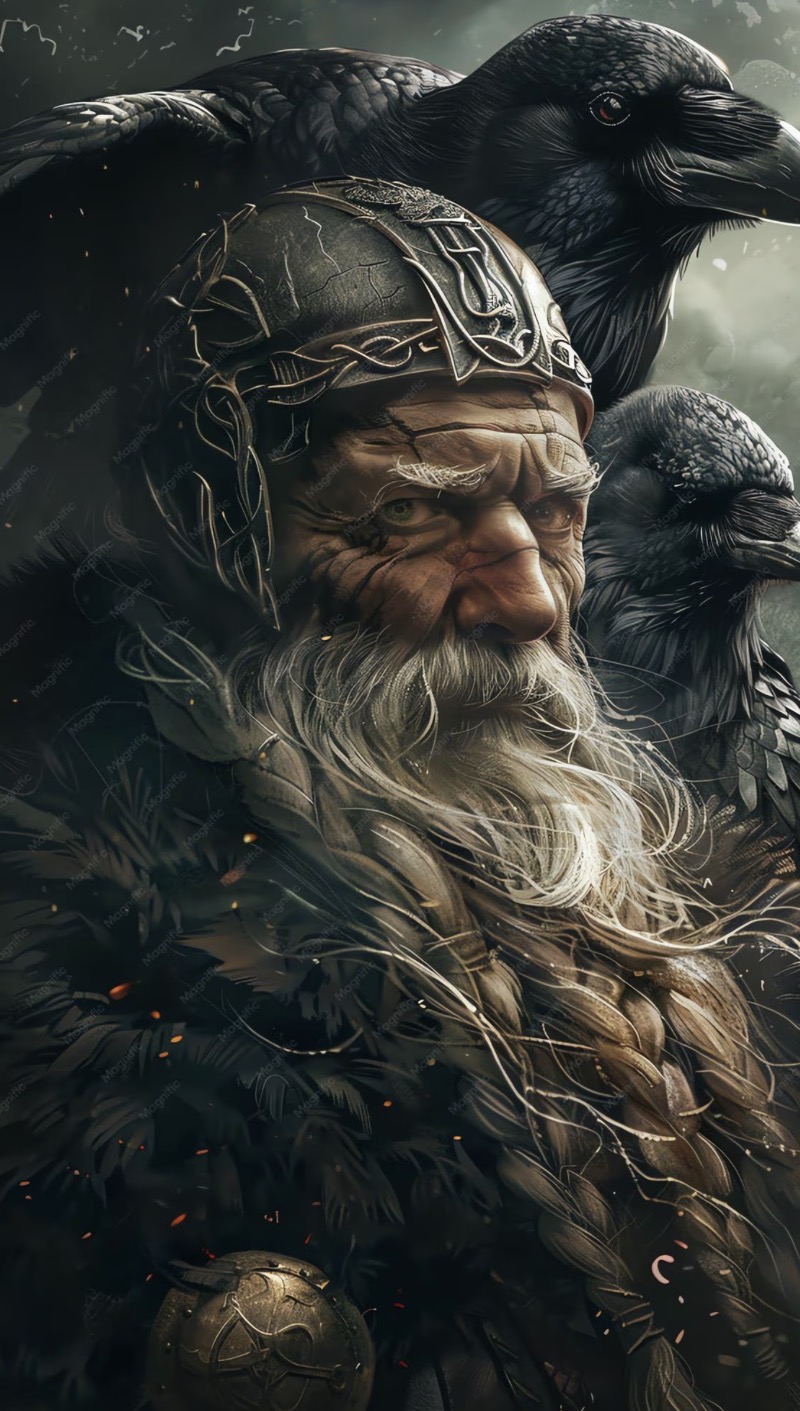
Translation and commentary together with SELLIC SPELL by J.R.R. Tolkien edited by Christopher Tolkien – Modern English Summary
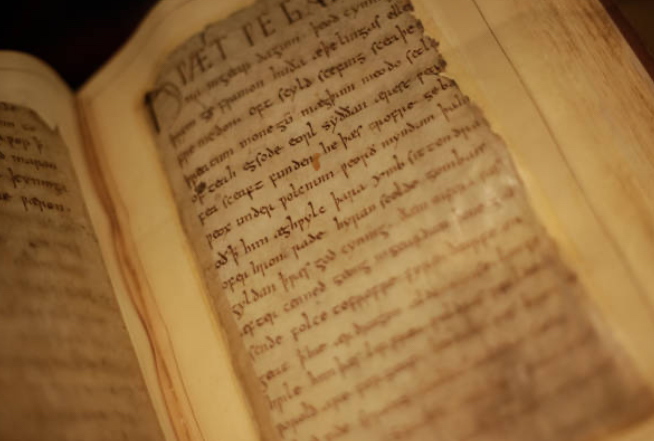
Beowulf is one of the most important and oldest surviving works of literature in the English language – an epic poem that blends myth, heroism, and early medieval values.
In ancient Denmark, King Hrothgar rules over a prosperous land. He builds a magnificent mead-hall called Heorot, where his warriors gather to feast, celebrate, and sing of heroism. But their joy attracts the wrath of a monstrous creature named Grendel, who lives in the nearby swamps. Night after night, Grendel attacks the hall, killing Hrothgar’s men and leaving the kingdom in fear and mourning.
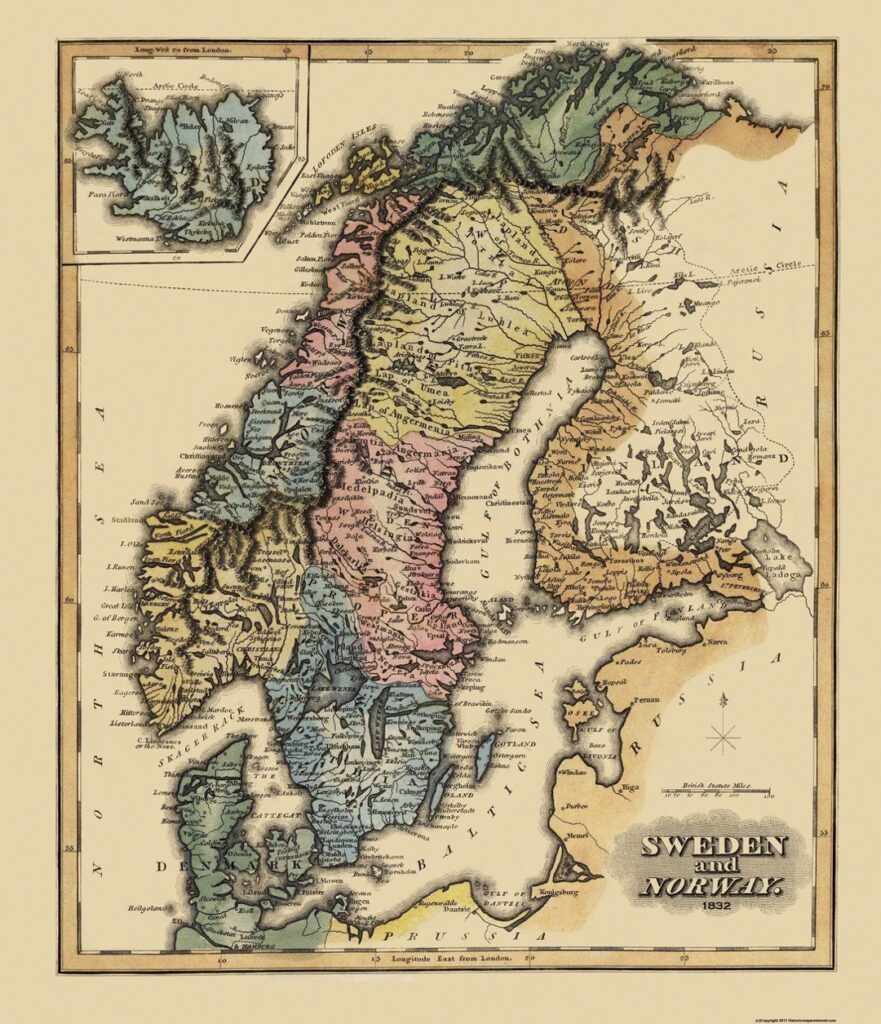
Far away, in the land of the Geats (present-day southern Sweden), a young warrior named Beowulf hears of Hrothgar’s plight. Strong, brave, and eager to prove himself, Beowulf sails across the sea with a small band of warriors to offer his help.
Hrothgar welcomes Beowulf, remembering how Beowulf’s father once received help from him long ago. Beowulf promises to fight Grendel without weapons to meet the monster with his bare hands.
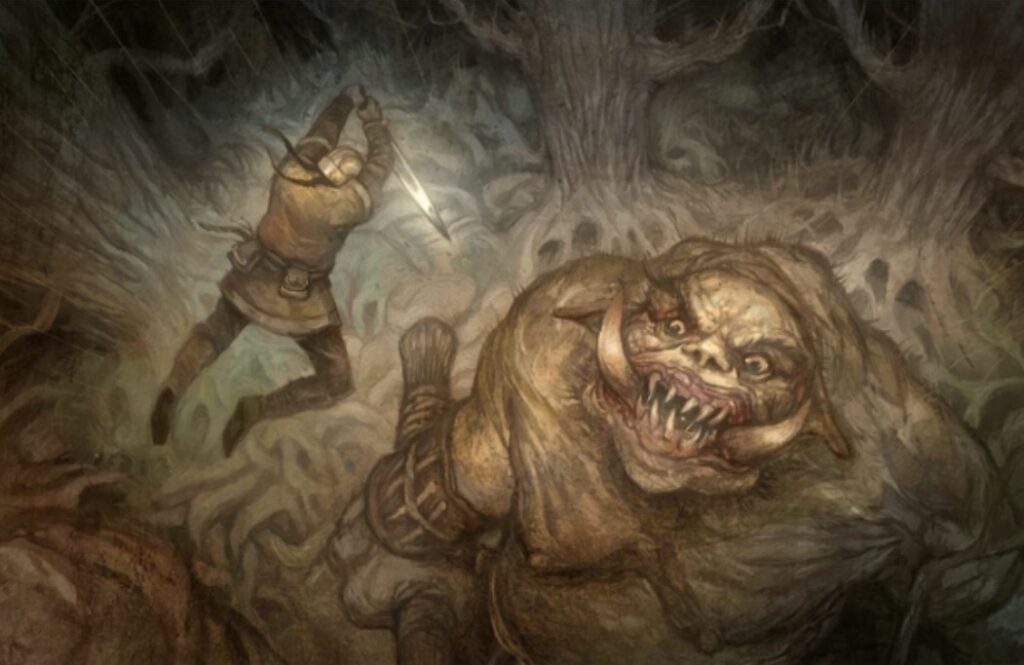
That night, Grendel bursts into Heorot, but Beowulf is ready. He seizes Grendel in a fierce struggle, tearing off the creature’s arm. Grendel flees to his lair and dies from his wounds. The Danes rejoice and celebrate their newfound peace.
But the next night, Grendel’s mother, enraged by her son’s death, attacks Heorot in revenge. She kills Hrothgar’s closest advisor and escapes. Beowulf vows to hunt her down.
He journeys to a dark, haunted lake where she dwells. Plunging into the water, Beowulf fights her in her underwater lair. With the help of a magical sword he finds in her cave, he kills her and returns victorious.
Grateful and honored, Hrothgar gives Beowulf many treasures and wise advice. Beowulf returns to Geatland, where he eventually becomes king and rules wisely for fifty years.
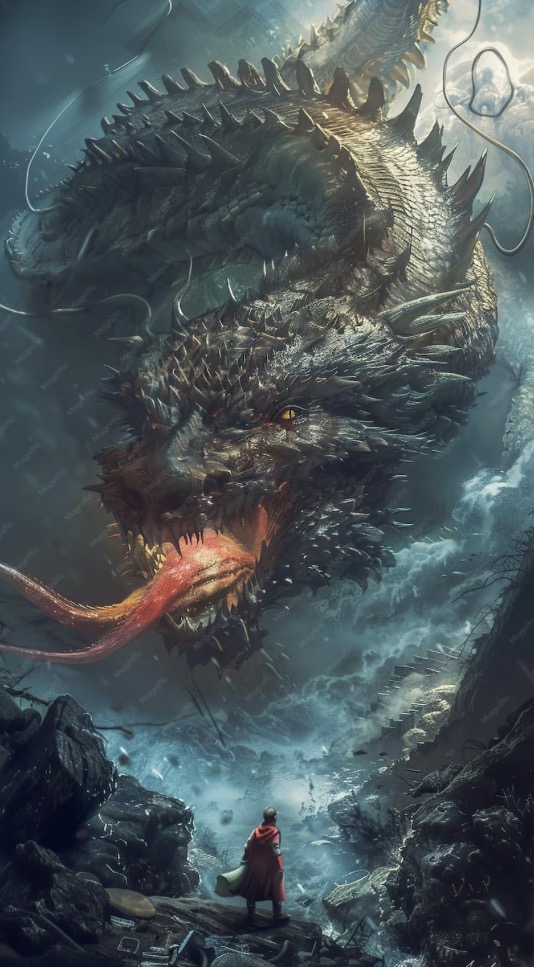
In his old age, a dragon awakens angered after a thief steals a cup from its treasure hoard. The dragon begins terrorizing Beowulf’s kingdom. Despite his age, Beowulf feels it is his duty to face the beast himself.
With only one loyal warrior, Wiglaf, standing by his side, Beowulf confronts the dragon. He slays it, but not before suffering a fatal wound.
As he lies dying, Beowulf reflects on his life. He asks Wiglaf to bring him some of the treasure so he can see what he won for his people. He then names Wiglaf his successor and dies peacefully, proud of his legacy.
The Geats mourn deeply. They build a great funeral mound by the sea to honor him, burying him with treasure. The poem ends with this tribute:
“Of all the kings in the world, he was the most generous, the most gracious, the kindest to his people, and the most eager for glory.”
