
Written by Edgar Allan Poe – reviewed by Circe Aguiar
Edgar Allan Poe’s The Fall of the House of Usher is often read as a quintessential Gothic tale, replete with spectral hauntings and supernatural dread. Yet, when examined through the lens of early 21st-century society and science, the story reveals an upsetting reflection on mental illness family decay, and the limits of the medical knowledge at the time.

In Poe’s era, psychiatry was nascent and largely misunderstood. Conditions such as epilepsy, catalepsy, or severe mental disorders were often conflated with superstition or moral failings. The medical community lacked the tools to diagnose or treat these afflictions effectively, and societal stigma usually led families to conceal such issues, especially among the wealthy and influential.
The narrator’s ambiguous perceptions of Roderick Usher’s deteriorating mental state and his sister Madeline’s mysterious illness may reflect this reality. The repeated references to pallor, rigidity, and sudden “returns from death” align with symptoms of conditions like catalepsy, which were poorly understood and could easily be mistaken for actual death.
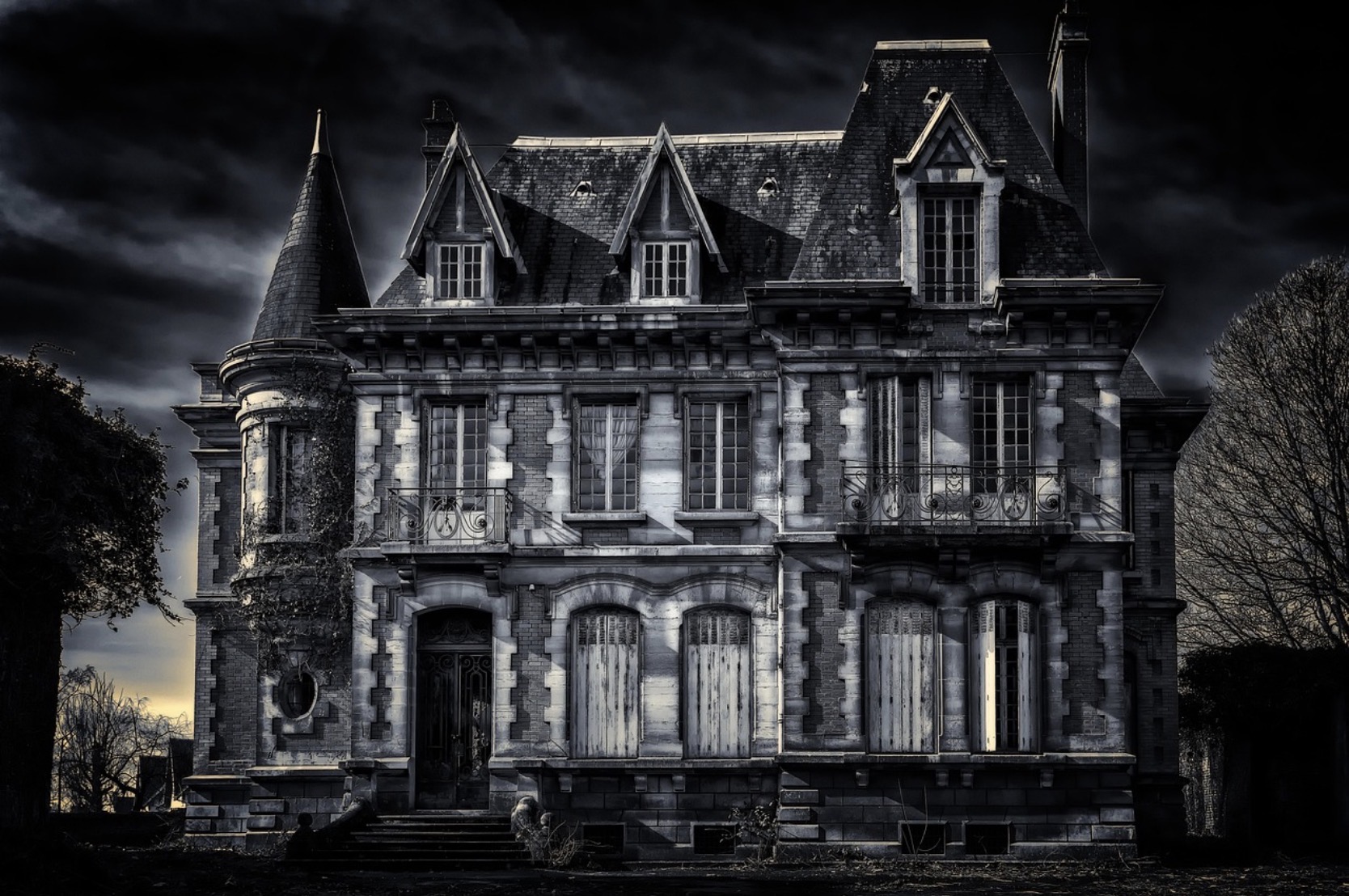
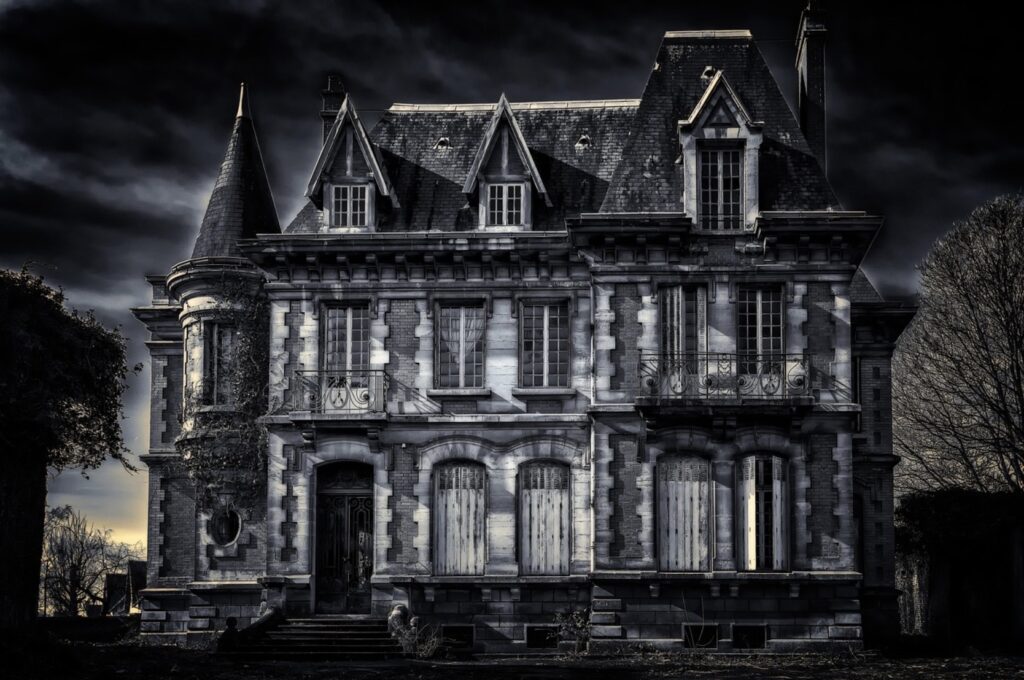
Moreover, the crumbling Usher mansion is a powerful metaphor for the family’s physical and psychological decline. Rather than ghosts or curses, the house’s eerie sounds and ultimate collapse may be explained by long-term neglect and structural damage—termites and rot quietly eroding the foundation, much like illness consumes the body and mind.
Poe’s narrative cleverly blends these tangible realities with Gothic motifs, using supernatural elements as a veil to explore the frightening and unknown aspects of human frailty. His innovative approach allowed readers to confront uncomfortable truths about mental health and mortality in a society where open discussion was rare.
Far from a simple ghost story, The Fall of the House of Usher is a timeless meditation on the fragile intersection of mind, body, and environment. It invites readers to consider how fear, ignorance, and denial can amplify the shadows within and without.

Circe Aguiar