

Some written stories separate by different eras, cultures, and settings, illuminate each other, for they carry echoes older than the stories themselves. They express the same human experience: losing the familiar self to discover something deeper: a threshold where identity loosens, and hidden memory begins to speak.
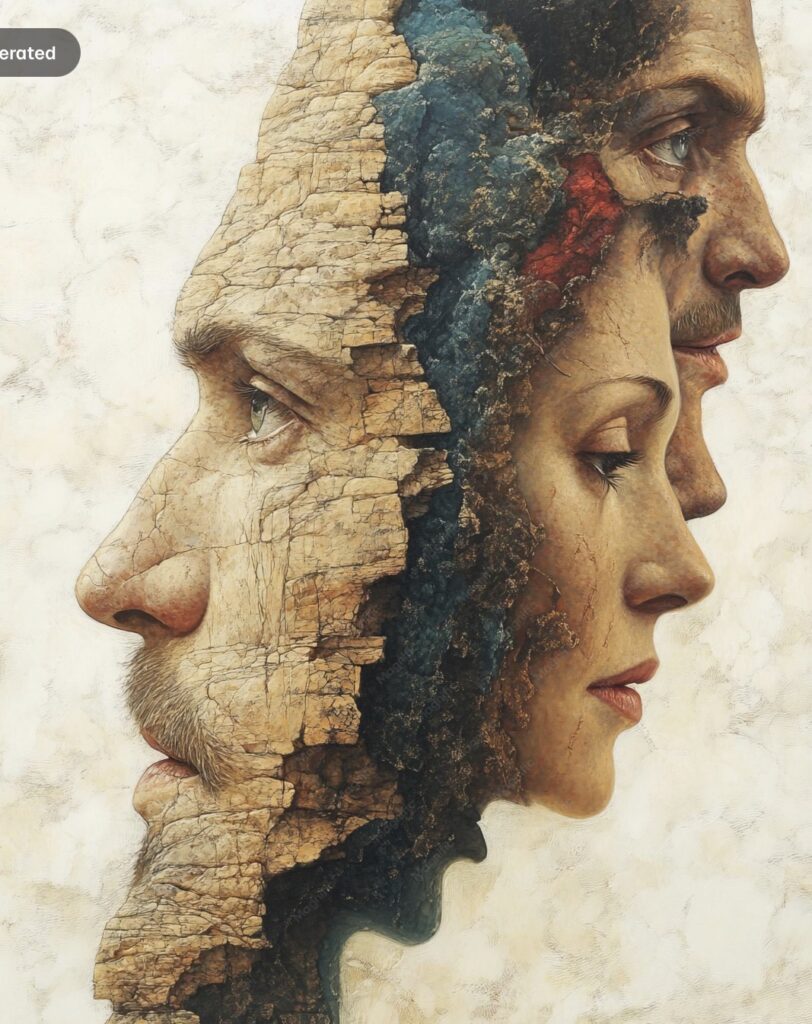
Writers across centuries often speak to one another indirectly through symbols, journeys, deserts, sea voyages, mirrors, forests, a fall into another world, a labyrinth, and doors.
In Alice’s Adventures in Wonderland and The Road Not Taken, for instance, it is not simply the idea of choosing a path. It is something deeper. It’s the understanding that identity is formed through wandering, uncertainty, and encounters with the unknown.
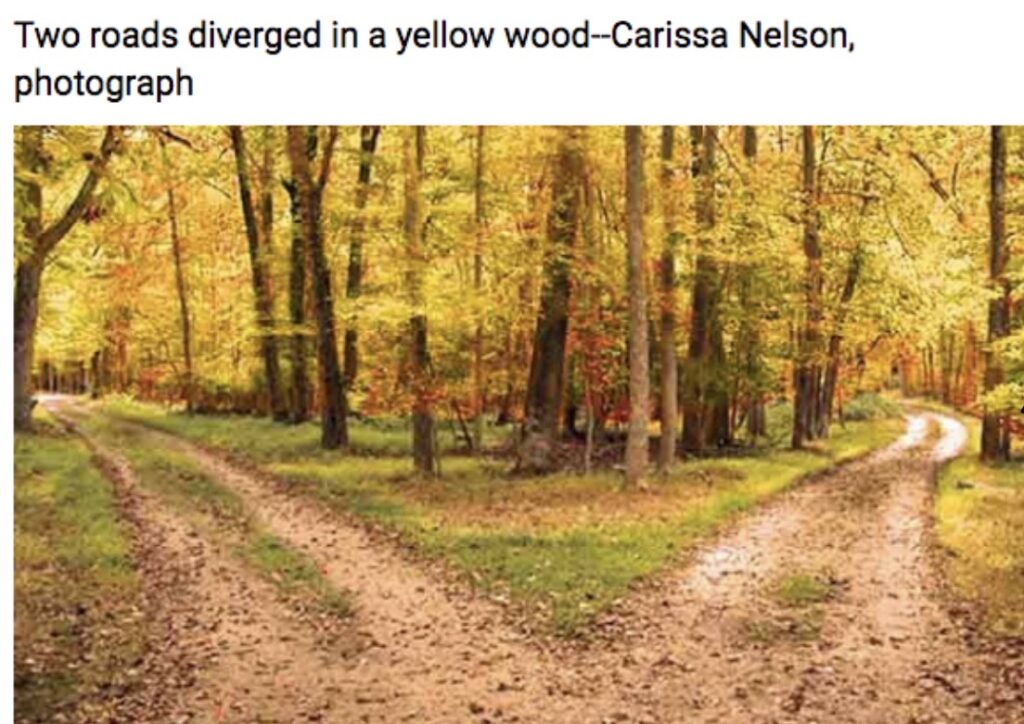
But the two works approach this truth from opposite directions. In Frost’s poem, the forest is a moment of decision. The speaker stands still, aware that one choice may shape an entire life:
“Two roads diverged in a wood, and I – I took the one less traveled by…”
The emotional weight comes from the impossibility of living every version of yourself. One road closes another forever.
Alice, however, enters a world where roads barely obey the laws of logic. Wonderland is not about choosing correctly; it is about being transformed by disorientation itself. She changes size, loses certainty, questions language, identity, and time. The journey matters more than the destination.
And this is why the line resonates so strongly beside The Road not Taken by Robert Frost: Sometimes people only discover where they truly want to go by walking through strange forests first.
That idea appears again and again in literature. Different writers return to it because it reflects something profoundly human: we often understand ourselves after getting lost, and there are some beautiful echoes of that same idea from other writers.
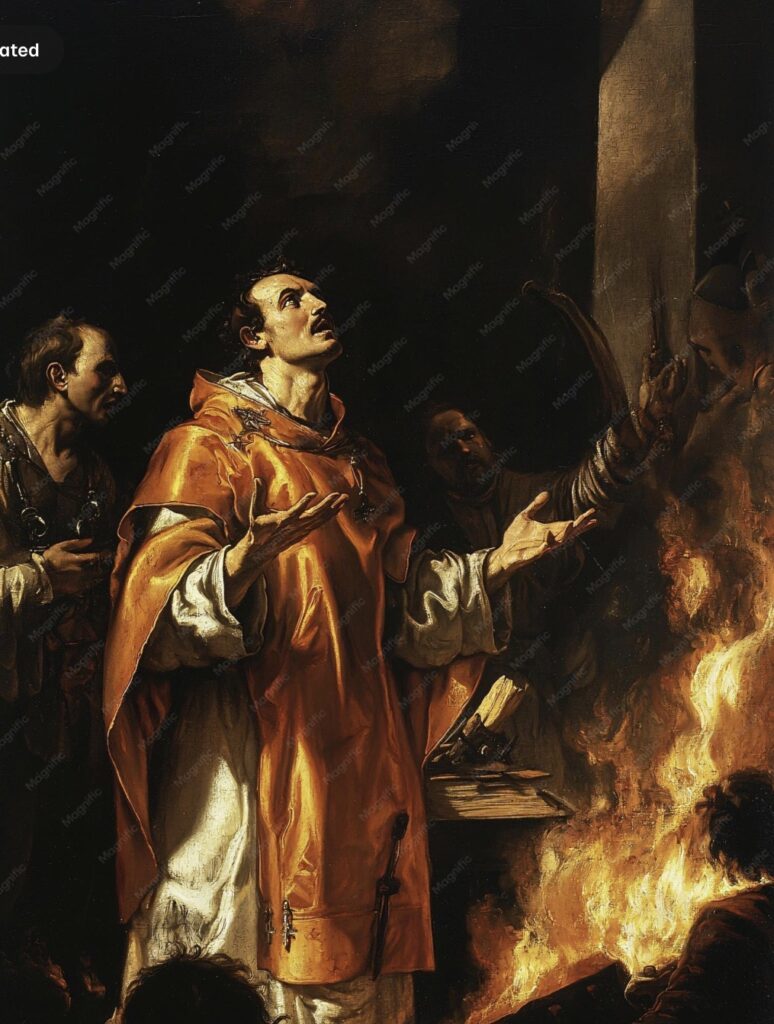
In The Divine Comedy by Dante Alighieri, Dante begins his journey not with certainty, but with confusion:
”Midway upon the journey of our life, I found myself within a dark forest, For the straightforward pathway had been lost.”
The “dark forest” became one of literature’s great symbols for existential disorientation. Dante only reaches wisdom after descending through Hell itself.
In Siddhartha – Hermann Hesse, Siddhartha cannot learn the truth from teachers alone. He must leave every system behind and wander through pleasure, suffering, loneliness, and failure before understanding anything real. Hesse suggests that enlightenment cannot be handed to someone like directions on a map.

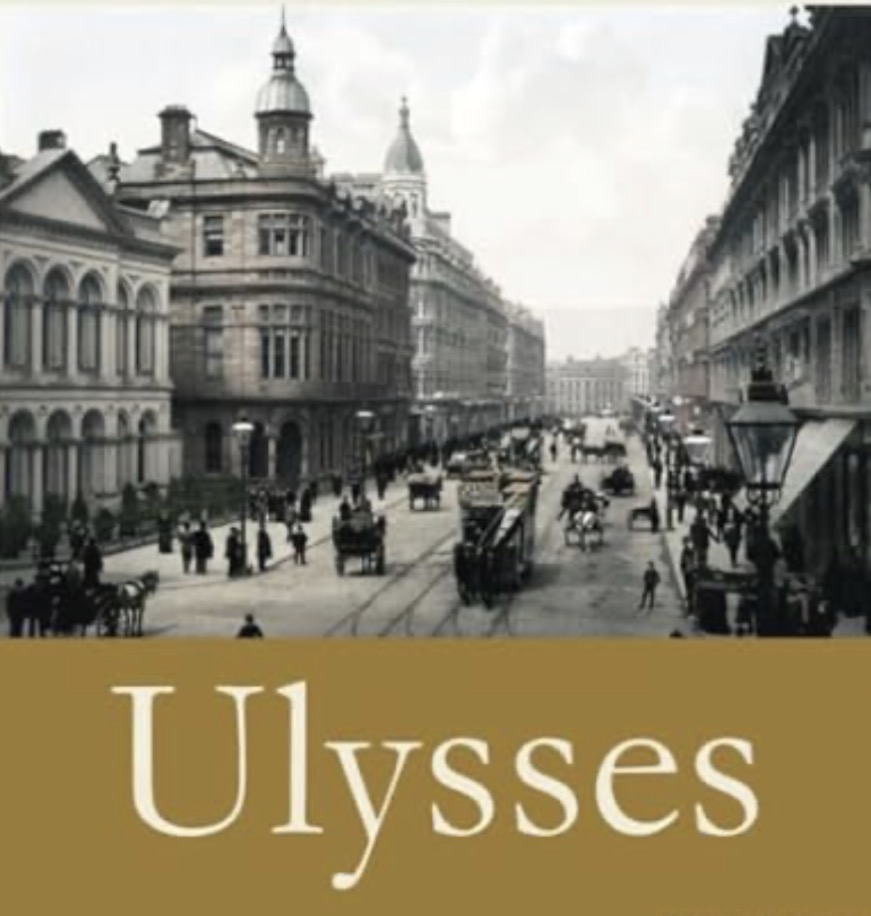
In another masterpiece of literature, Ulysses by James Joyce, Joyce turns wandering into consciousness itself. The journey is messy, fragmented, and nonlinear, much like thought. Meaning emerges through movement, not before it.
And perhaps one of the strongest philosophical companions to all these works is not even fiction. In Thus Spoke Zarathustra by Friedrich Nietzsche, the philosopher believed a person becomes themselves through a dangerous process of self-overcoming, by leaving familiar moral roads behind and entering uncertainty. Very close to Alice stepping into Wonderland without a map.
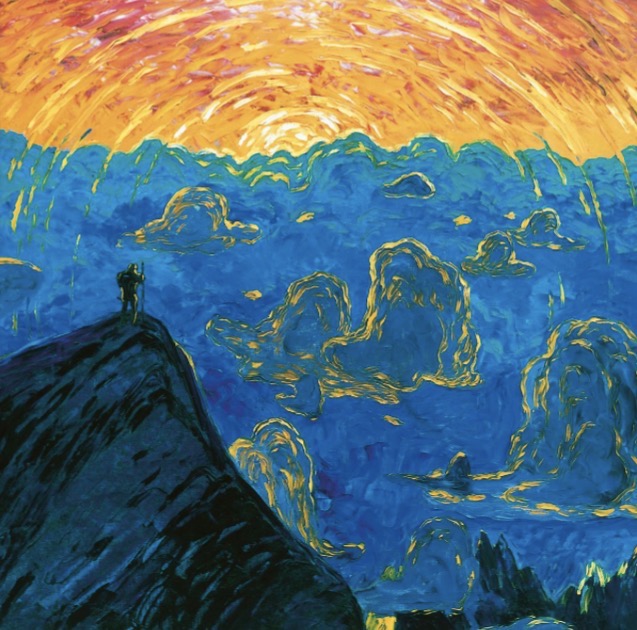

The Odyssey may be one of the oldest and most powerful expressions of this archetype. At first glance, the story seems simple: Odysseus is trying to return home after the war. But the deeper meaning is more complex.
The voyage is not only geographical, it is psychological and spiritual.
By the time Odysseus finally returns home, he is no longer the same man who left. And this is where The Odyssey connects beautifully with Alice, Frost, Dante, and the others: The journey itself creates the person capable of understanding the destination.
Odysseus could not simply go straight home. The wandering was the transformation. Odysseus walks not through forests, but through an unpredictable sea, another ancient symbol of the unknown unconscious, where maps fail and identity is tested.
And interestingly, unlike Frost’s traveler standing before two roads, Odysseus often has no clear choice at all. He survives by adapting, enduring, learning. The path reveals itself only while being lived.
Symbolic journeys endure across centuries because they mirror both the psychological and the spiritual. A forest is never only a forest in literature. A forest, a tunnel, a labyrinth, the sea, a big city and a desert are not only settings. Very often, they represent an inner transformation.
This underlying archetype has been a recurring symbolic pattern that appears across many stories, cultures, and centuries, even when the plots are completely different.
So when one connects Alice’s Adventures in Wonderland with The Road Not Taken and the precious works cited, they are recognizing the same deeper structure beneath both works, the same archetype: a person enters uncertainty and is changed by the journey.
The Swiss psychologist Carl Jung wrote extensively about this idea. He believed humans repeatedly create similar symbols because certain psychological experiences are universal.
That is why stories from completely different times can feel mysteriously connected, because they all belong, in different ways, to what scholars often call: “The journey into the unknown.”
