
“Creep.”
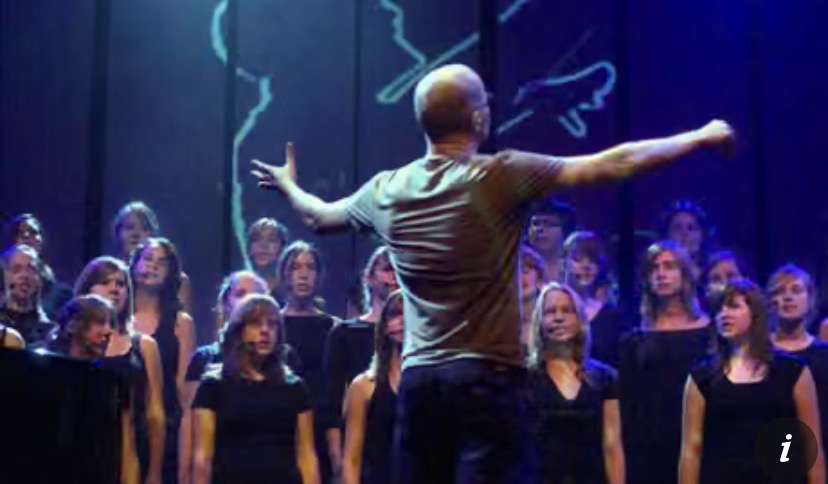
A dear friend sent me a birthday message accompanied by a playlist from Scala & Kolacny Brothers, highlighting their version of “Creep.” The first time I heard it, I was struck by a thoughtful mood because it sounded, all at once, both familiar and strange.
Have you ever noticed how arrangers have this gift of borrowing a meaning and unfolding it into others? Like magicians, they transform colors, scents, and lights into sounds that the listener remembers, even if they have never actually been in those places.
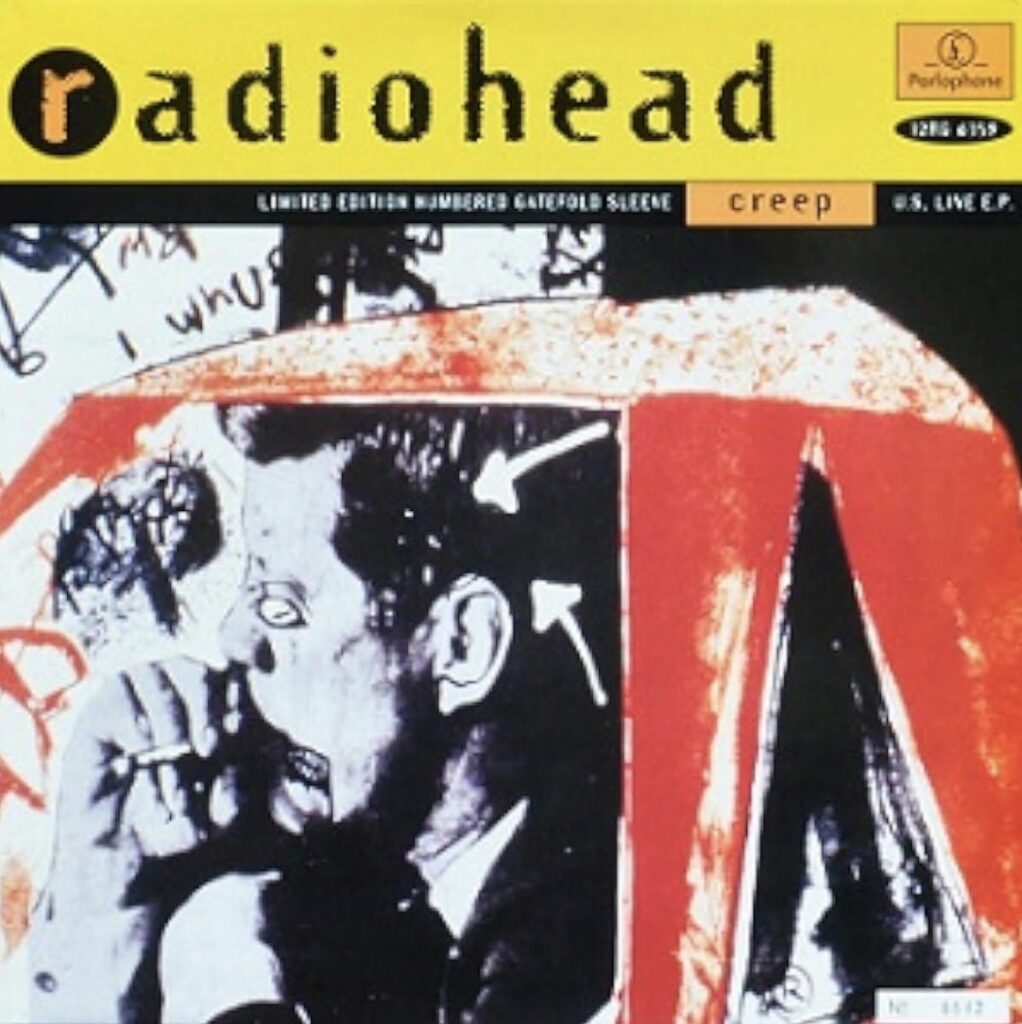
That was when I decided to revisit the original version of “Creep” by Radiohead. I remembered how it always struck me as a confession oscillating between desire and rejection—an ambiguity that reveals its own unsustainability the moment the guitars explode, shattering what the voice tries to hide.
In Radiohead’s version, the beloved is elevated to a plane beyond the human. When someone becomes perfect in our imagination, we can feel inadequate by comparison. It is a false equation, yet a very common one.
The moment that supposed perfection enters the picture, self-acceptance slips away in the sung phrase “I don’t belong here”, which seems to communicate: “I don’t belong in their world.”

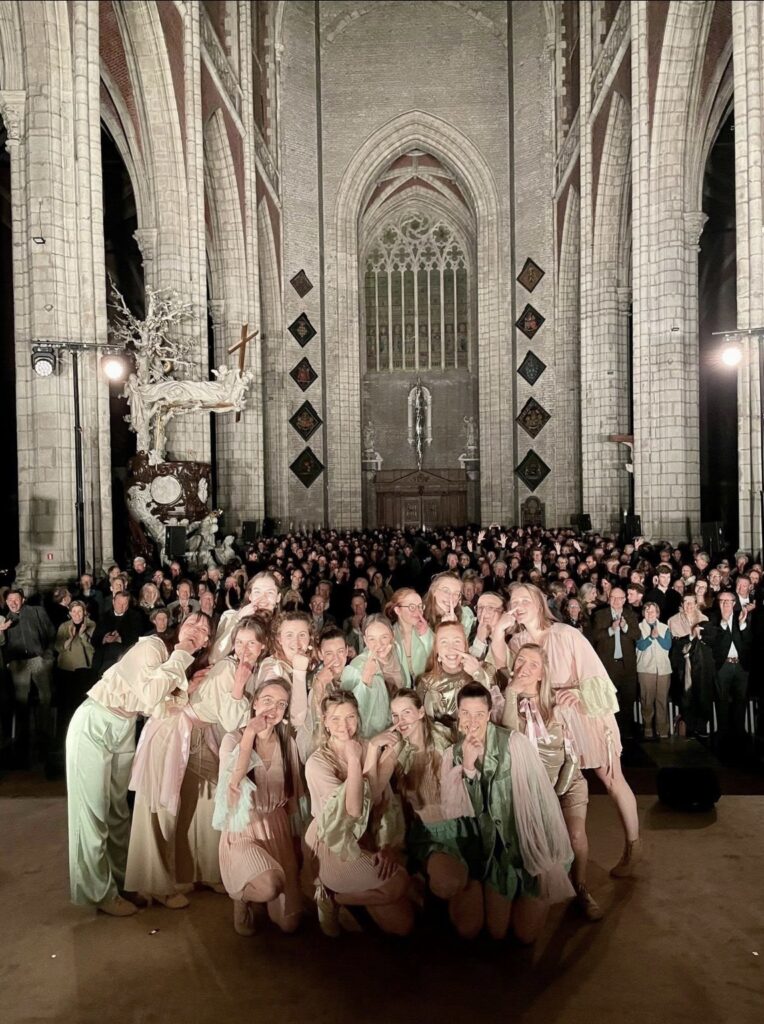
Compared to the Scala arrangement, the individual tragedy of inadequacy dissolves into the ensemble of voices, softening the sense of isolation. What was once personal becomes something shared, where each singer’s vulnerability is upheld by the collective.
The line that has fascinated us for decades drags itself through this version, exhausted, caught between whispers and pleas.
“You are so special… I wish I was special.”
Children and young people sing with remarkable purity, devastating us with the phrase “I’m a creep.”
Yet, it was only after listening to the song repeatedly that another possibility regarding that feeling of inadequacy occurred to me:
“I don’t belong to the version of myself that she accidentally revealed.”
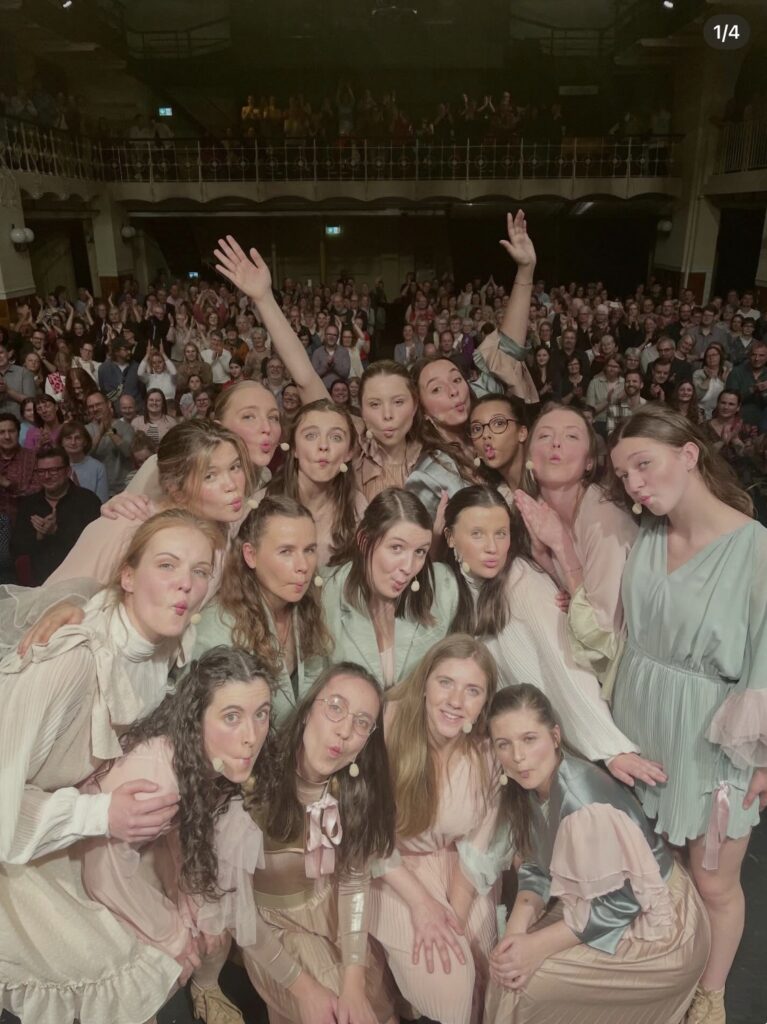
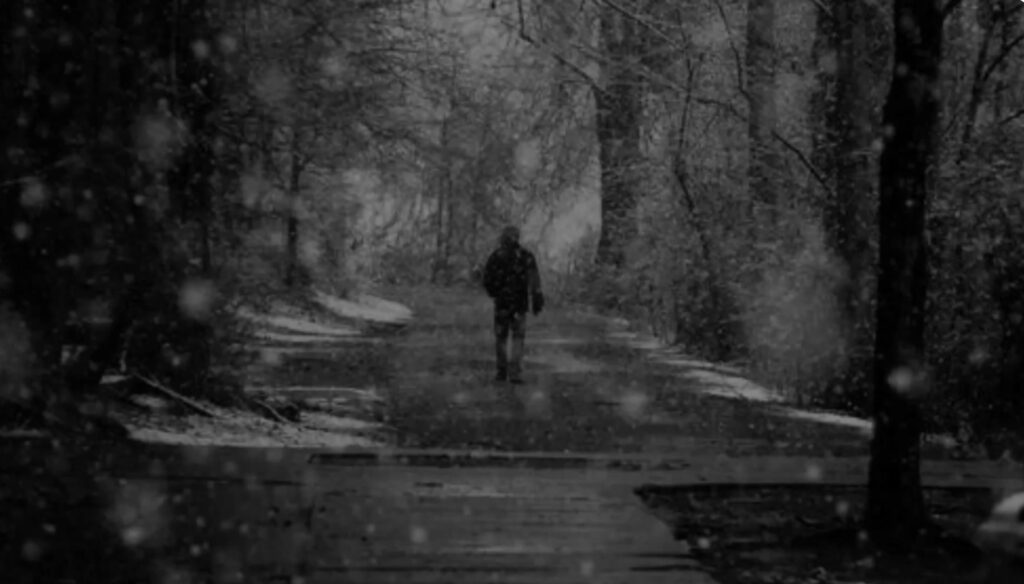
From this new perspective, the adventure of falling deeply in love often involves projecting dormant parts of ourselves onto another person—parts we believe we see in them. Perhaps that is why love is so frightening for some.
Thus, the tragedy of “Creep,” as I see it, is not limited to unrequited love. It can also lie in a refusal to awaken to someone new; instead of following the path illuminated by the beloved, one seeks comfort in the familiar narrative of being a “creep”—a role that, however mistakenly, feels safer than the uncertainty of becoming someone new.
Sometimes, the hardest part is not believing that the other person is extraordinary, but daring to live out the part of ourselves that their presence awakens.
