
A movie by Sofia Coppola – reviewed by Circe Aguiar
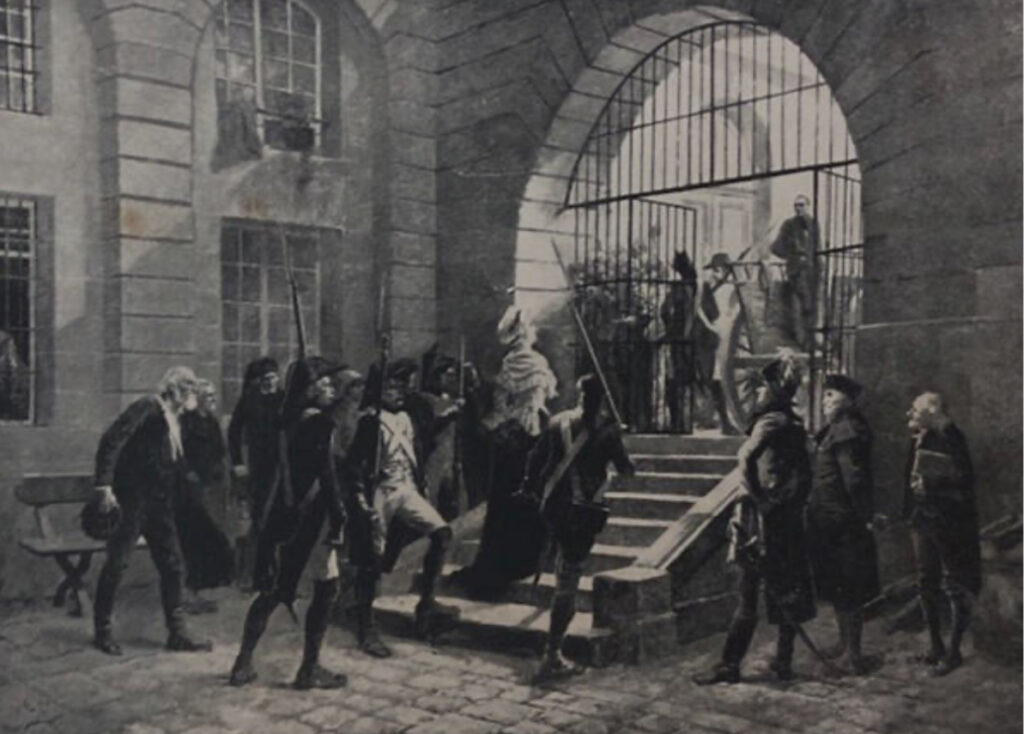
A small group of people is leaving the Tuileries Palace in the heart of Paris, setting off on a journey that will never reach its destination. The year is 1792, and France is in the throes of its most turbulent historical moment: the fall of the monarchy. This powerful setting inspired Antonia Fraser’s Marie Antoinette: The Journey, a biography that skillfully weaves together a plot of betrayal, religion, and sexuality.
Widely acclaimed for her historical works, Antonia Fraser was awarded the Franco-British Literary Prize in 2001 for this book – one of five focused on influential women throughout history.
The biography was later adapted into a film by the visionary filmmaker Sofia Coppola, who vividly portrayed the extravagance of Versailles. From the lavish feasts to the elaborate public rituals of rising, dressing, and dining, Coppola captures the ornate routine that shaped the lives of Marie Antoinette and her husband, King Louis XVI.
The film reveals a young woman unprepared for the weight of power – used as a pawn in a delicate political game, a mere piece on her mother’s chessboard. It also challenges the myth that she uttered the infamous phrase, “Let them eat cake,” a line unfairly attributed to her.
The soundtrack spans two discs and masterfully blends classical compositions with guitar-driven rock, electronic, indie, new wave, and post-punk – most of it rooted in the 1980s. This bold fusion of styles from different eras brings a striking sense of contemporaneity to the film, sparking the question: What might it look like if an underprepared ruler stood at the helm of a powerful modern nation?