Science Fiction by Isaac Asimov – reviewed by Circe Aguiar
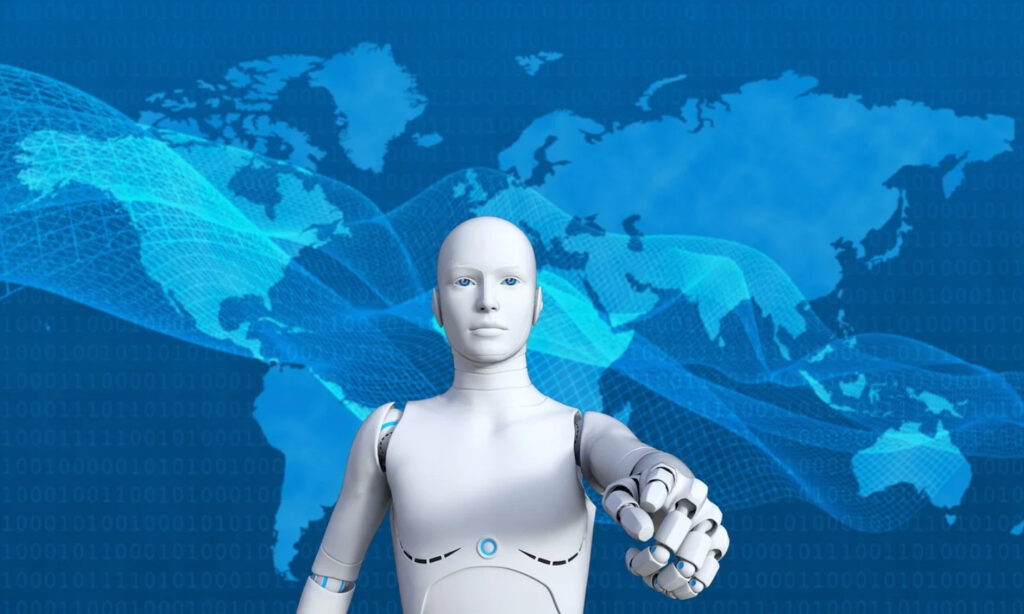
Isaac Asimov’s I, Robot is a collection of interconnected short stories, published in 1950, that explores the complex relationship between humans and machines. In his vision of the robotic technology evolution, Asimov constructs a world in which robots obey simple rules—the Three Laws of Robotics—that, despite being infallible, end up creating dilemmas that defy human morality, logic, and control. At the heart of I, Robot is the question: What does it mean to be human in a world where artificial intelligence can reason, protect, and even suffer? Asimov does not present robots as evil invaders or emotionless tools. He gives them depth, programming constraints, and even existential conundrums in each story.
The famous Three Laws (especially the first: “A robot may not injure a human being or, through inaction, allow a human being to come to harm”) are designed to protect humanity. Yet throughout the book, Asimov shows how rigid logic and ambiguous human behavior can create unexpected consequences. Each story in the collection—such as “Robbie,” about a mute babysitting robot; “Reason,” in which a robot begins to worship a power source as a deity; or “Liar!”, about a robot who lies to avoid hurting people—poses a unique moral or philosophical challenge. What makes these stories intriguing is how deeply human robots become, not through emotions but through the unintended implications of their programming.
The book is framed by the voice of Dr. Susan Calvin, who, nearing retirement, has the opportunity to revisit her experiences and share them with the journalist. The robopsychologist, whose cool intellect and moral ambiguity reflect Asimov’s cautious optimism about technology, does not romanticize robots but respects their logic, often considering them more trustworthy than humans. Asimov explores ethical concerns about free will, machine dependency, truth, and control through his observations.
Stylistically, Asimov writes with clarity, precision, and a scientific tone. His language avoids poetic flourishes, favoring dialogue and logically-based exposition. This suits the analytical nature of the book and reflects its speculative realism: these are not fantasy robots, but machines governed by rules, design, and purpose.
I, Robot remains a seminal text in science fiction, not only for its innovation but also for forcing us to ask timeless questions: Can logic coexist with ethics? Can machines evolve beyond their creators? Asimov offers no easy answers but provides a profoundly intelligent starting point.
“It is the peculiar nature of logic,” says one robot, “to lead to conclusions that may defy common sense.”
In an era of rapidly developing AI, I, Robot feels more relevant than ever.
ABOUT THE AUTHOR
Isaac Asimov was not only one of the most prolific science fiction writers of all time but also a profound thinker whose imagination was rooted in logic, curiosity, and deep respect for science. Born in 1920 in Russia and raised in Brooklyn, New York, Asimov was a child of two worlds—immigrant reality and futuristic possibility. He grew up surrounded by books and ideas. By the time he was in his twenties, he was already contributing to the transformation of science fiction into a respected literary genre.
His ability to foresee technological and ethical dilemmas long before they became public conversations set Asimov apart. In I, Robot, published in 1950, he proposed the famous Three Laws of Robotics, not just as fictional rules, but as philosophical guidelines for managing our growing relationship with machines. In doing so, he anticipated questions about artificial intelligence, responsibility, and control that now dominate real-world discussions.
Like Jules Verne, who imagined submarines and space travel before they existed, and Aldous Huxleyand George Orwell, who warned of dystopian futures shaped by control and technology, Asimov used fiction to explore the future of humanity itself. But while Orwell often predicted tyranny, and Huxley warned of apathy, Asimov’s tone was more hopeful—he believed in progress, reason, and the capacity of the human mind to adapt.
Outside of fiction, Asimov was also a brilliant science communicator. He wrote essays, textbooks, and popular science books on everything from chemistry to the Bible. His style was clear, confident, and always accessible. He believed that science should belong to everyone.
Isaac Asimov passed away in 1992, but his legacy lives on in literature, robotics, ethics, and artificial intelligence. He was a bridge between the possible and the imaginable—a writer who taught us that the future isn’t just something to predict; it’s something we shape.